Colorado's New Energy Rebates 2026: What Denver Homeowners Can Claim | WattWise
I was in an attic in Highlands Ranch last month when the homeowner asked me about rebates. She had just replaced her furnace. $4,800. She had no idea Colorado was offering a $1,500 rebate for high-efficiency gas furnaces installed after January 1, 2026. She had already paid the contractor. The contractor had not mentioned it. I see this all the time. Rebates exist. People do not know about them. Contractors do not always tell you. And the money sits there unclaimed.
Here is the thing. Colorado has been aggressive about energy incentives for the last three years. The Inflation Reduction Act federal money is still flowing. The state added new programs in 2026. Xcel Energy has its own stack of rebates. And Denver County has a pilot program for low-income households that covers 100% of weatherization costs. But none of it is automatic. You have to know what is available. You have to apply. You have to keep receipts. Most people do none of the above.
Let me break down what is actually on the table in 2026. At the federal level, the Energy Efficient Home Improvement Credit gives you 30% of project costs, up to $3,200 per year. That covers insulation, air sealing, heat pumps, efficient windows, and doors. At the state level, Colorado's Energy Office runs the Weatherization Assistance Program for households earning below 200% of federal poverty level. If you qualify, they will insulate your attic, seal your ducts, and swap out your fridge for free.
Xcel Energy has a separate menu. They will give you $150 for a smart thermostat. $400 for a heat pump water heater. $1,200 for a cold-climate air source heat pump. $75 for LED bulbs. I had a client in Aurora last year who stacked Xcel rebates with federal credits and ended up getting a $6,200 heat pump installed for $2,100 out of pocket. That is not a typo. That is real money. But she only got it because she asked.
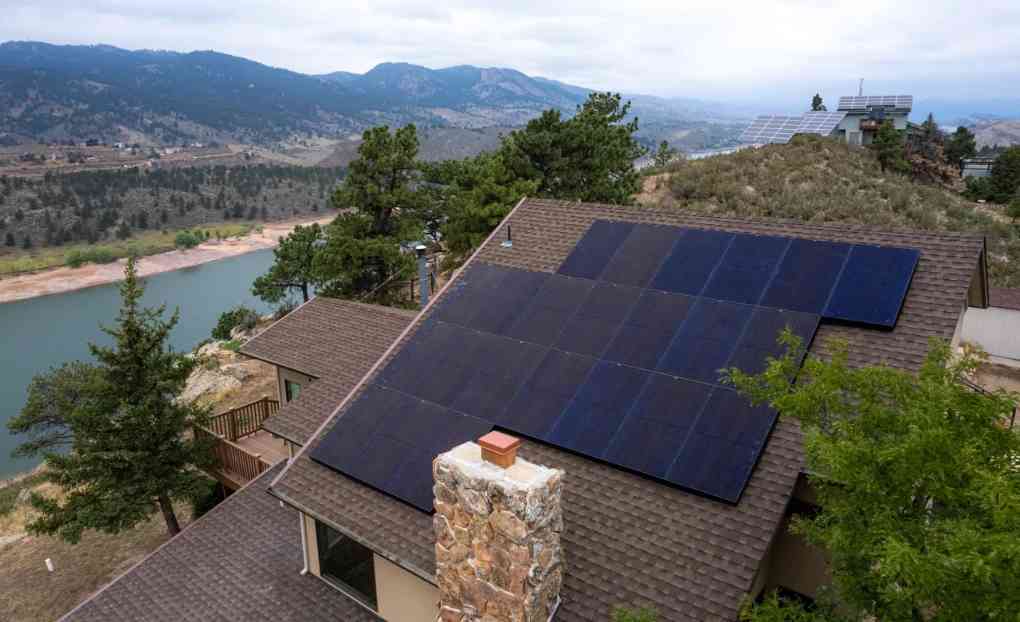
The solar situation is even more interesting. The federal solar tax credit is still 30% through 2032. Colorado exempts solar equipment from property tax assessments. And Xcel's net metering program, while less generous than it used to be, still pays you for excess generation. I had a guy in Boulder install a 10-kilowatt system in March. His total cost after federal credit? $18,200. His estimated payback? Nine years. After that, he generates free electricity for fifteen to twenty years. That is not an expense. That is an investment.
But here is what makes me angry. The rebate programs are designed to be confusing. Each has its own application. Its own deadlines. Its own approved contractor lists. Some require pre-approval before work starts. Some reimburse after. Some stack. Some do not. I have a spreadsheet I maintain with fifty rows of programs, eligibility rules, and expiration dates. It is a part-time job just keeping track. For the average homeowner who works fifty hours a week and has kids? It is impossible.
The LED rebate is the easiest win. Xcel gives you $2 per bulb, up to $75 total. A pack of ten LED bulbs at Home Depot costs $12. The rebate covers $20. You make $8 and save $75 a year on your electric bill. I do not understand why every single homeowner in Colorado has not done this. It is free money. It takes ten minutes online. And yet I walk into houses every week with incandescent bulbs burning in closets. It is like watching someone set cash on fire.
The heat pump rebates are where the real money is in 2026. Colorado wants to reduce natural gas usage for heating. Heat pumps run on electricity and can be three to four times more efficient than a gas furnace. Xcel will give you up to $1,200 for a cold-climate heat pump. The federal government chips in 30% up to $2,000. If you are replacing an old furnace anyway, the math is compelling. I ran the numbers for a 2,000-square-foot house in Denver. A new high-efficiency gas furnace costs $4,500 installed. A cold-climate heat pump costs $7,000. After rebates and credits? $3,600. It costs less than the gas furnace and cuts your heating bill by 40%. Why is everyone not doing this?
Because contractors do not always push them. Because the upfront cost scares people. Because most homeowners do not know the rebates exist. That is why I am writing this. If you live in Colorado and you own a home, you are leaving money on the table. Thousands of dollars. Maybe tens of thousands. The programs are there. The money is there. You just have to reach for it.
My advice? Start with the easy wins. LEDs. Smart thermostat. Attic insulation. Those three things alone can cut 20% off your energy bill and cost you almost nothing after rebates. Then plan the big stuff. Solar. Heat pump. Windows. Do the math. File the paperwork. Keep the receipts. And if you get stuck, call me. I have seen every form. I have made every mistake. And I am happy to help you avoid them.
— Jim Patterson, Denver
